Mattress education · Luxury sleep
Vispring and the Craft of Luxury Spring Support
A luxury innerspring bed is more than a plush first impression. Its feel comes from the way springs respond beneath you, how the comfort layers soften the surface, and whether the whole design suits your body, sleep position, and room. Here’s how to think about Vispring, pocket-spring construction, and the wider world of handcrafted spring support—without pretending one mattress can be right for everyone.
What makes an innerspring bed feel different?
Lie down on a spring mattress and the first thing you may notice is its sense of lift. Instead of sinking deeply into the bed, you feel supported from below, with the surface giving way where your body presses into it. That buoyant quality is one reason innerspring beds remain a popular choice for people who like to move easily, change positions during the night, or prefer a more traditional mattress feel.
But “innerspring” describes a broad category, not a single sleeping experience. A basic connected-coil mattress, a carefully zoned pocket-spring design, and a luxury bed with multiple layers of natural or specialty materials can all use springs and feel remarkably different. The coil system matters, but so do its height and arrangement, the comfort materials above it, the upholstery, and the foundation underneath.
Vispring is associated with the luxury end of the spring-bed category, where the construction and materials are central to the product’s identity. It can be helpful to consider the brand as a starting point for learning about refined spring support—not as a shortcut to deciding what will suit your body. Even an impressive specification has to translate into comfortable, practical sleep for the person using it.
Pocket springs, explained without the jargon
In a pocket-spring mattress, individual coils sit inside fabric pockets. Because each spring can move more independently than coils joined together in a continuous unit, pressure in one area may have less effect on the areas around it. The result can feel more responsive and locally supportive: the mattress gives under your shoulder or hip while maintaining support elsewhere.
That independence is also why pocket springs often come up in conversations about motion transfer. If one person shifts, a pocketed design may reduce how much of that movement travels across the bed compared with some interconnected-coil constructions. It does not make movement disappear, and the complete mattress matters. Comfort layers, the size and spacing of the coils, the bed frame, and the movements of the sleepers all play a part.
There is no single spring count that tells the whole story. A larger number can sound impressive, but it does not automatically indicate better comfort, longer life, or more appropriate support. Coil gauge, spring design, distribution, zoning, and how the springs work with the upholstery all deserve attention. The most useful question is not simply “How many springs?” but “How does this particular construction feel under my body?”
For shoppers comparing luxury sleep surfaces, it is worth asking how the spring unit is arranged and whether the mattress is designed with different support zones. Zoning may be intended to vary the feel across the bed, but it is not a universal guarantee of better alignment. Bodies differ in shape and weight distribution, so a design that feels balanced to one sleeper may feel uneven or too firm to another.
The craftsmanship is in the combination
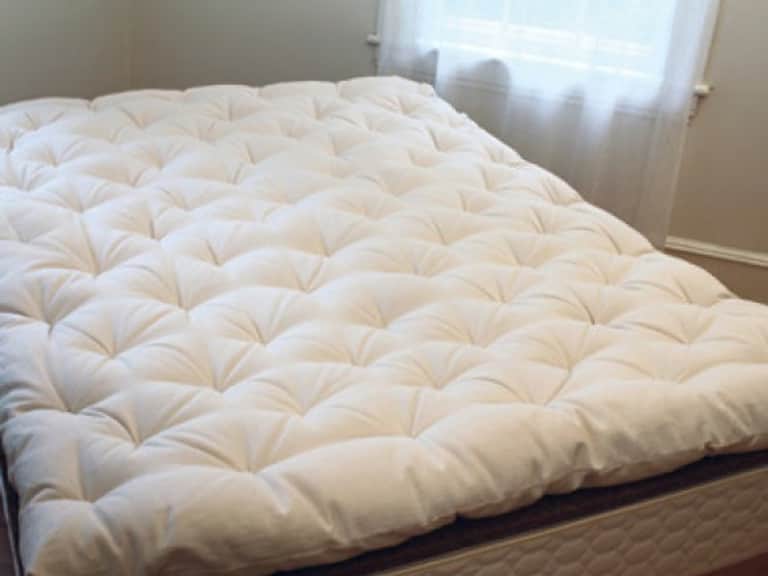
Luxury spring support is not just a story about metal. The coil system forms a foundation, while the layers above it shape the first impression and help determine how pressure is distributed. Those layers might include combinations of natural fibers, cushioning materials, and upholstery components. Their purpose, composition, and feel can vary between models, so it is wise to check the specifications for the exact mattress rather than assume every bed from one maker is constructed the same way.
Materials influence comfort in different ways. Some layers create a softer, more enveloping surface; others feel firmer, springier, or more immediately responsive. Natural fibers may be selected for their particular texture and moisture-handling characteristics, but “natural” alone does not tell you whether a mattress will sleep cool, suit an allergy concern, or hold up to your use. Construction and care matter, and personal experience remains important.
Handcrafted or carefully finished details can be part of a luxury mattress’s appeal, yet craft should be understood as more than a beautiful label. Look for clear information about materials, construction, care requirements, available firmnesses, and the support base the manufacturer recommends. Ask what is included in the stated specification and whether it applies to the particular model and size you are considering.
It is also sensible to treat broad claims with a little curiosity. Words such as “supportive,” “cooling,” or “pressure relieving” can describe a design intention, but they do not predict exactly how it will feel to you. A mattress is a whole system: the springs, the comfort layers, your body, your bedding, and the base beneath it all meet in one nightly experience.
Responsiveness, motion, and that just-right lift
Responsiveness describes how readily a surface reacts when you move or change position. Spring-based mattresses are often chosen for a lively, buoyant feel, which some sleepers find makes it easier to roll over or get out of bed. Others prefer the closer contouring associated with certain foam designs. Neither preference is a flaw; it is a matter of what feels comfortable and functional through the night.
Motion transfer is a separate consideration. Couples may care about how much movement they feel when a partner turns, gets up, or settles back down. Pocket springs can help limit movement travelling from one part of the bed to another, but mattress construction is only one piece of the puzzle. A very responsive surface can still transmit some movement, and a substantial comfort layer may change the overall feel.
If you share a bed, test the mattress together when possible. Lie in your usual positions while the other person shifts gently. Notice not only whether you feel movement, but whether the mattress has enough room for both sleepers to settle comfortably. Bed size, edge support, and individual differences in preferred firmness can matter as much as the headline spring technology.
For solo sleepers, responsiveness can still be worth considering. If you frequently change positions, a mattress that follows movement without feeling restrictive may be appealing. If you enjoy a cushioned, slow-settling sensation, a spring mattress with a more substantial comfort layer may feel different from a model with a tauter, more immediate surface. Try the specific bed rather than relying on category labels alone.
Firmness is personal—and position changes the conversation
Firmness ratings can help organize choices, but they are not a universal measurement. A mattress described as medium by one company might feel firmer or softer than a similarly labelled bed from another. Body weight, body shape, sleep position, and personal sensitivity all influence how the surface is experienced.
Side sleepers often pay close attention to pressure around the shoulders and hips. A surface that feels too firm in those areas may not be comfortable, while one that gives too much can feel less stable. Back sleepers may look for a balance between cushioning and a supported feeling through the torso. Stomach sleepers often prefer a surface that feels sufficiently firm to them, though individual needs vary. These are useful questions to explore, not rules that dictate a particular purchase.
Try to spend enough time on a mattress to notice what happens after the first few moments. A quick sit or a brief lie-down may tell you whether the surface is soft or buoyant, but it cannot fully capture how it feels in your normal sleeping position. If you shop in person, lie down as you would at home and give yourself time to settle. Ask about the retailer’s exchange or trial terms before you buy, and read the details rather than assuming every policy works the same way.
When a mattress is shared, compromise deserves its own attention. Two people may need different levels of cushioning or have different ideas about what “firm” means. Consider how the mattress feels to each person, how much movement is noticeable, and whether the available size gives both sleepers enough space. A technically sophisticated bed is not a good match if one person spends the night adjusting around its feel.
The base beneath the bed matters, too
A mattress does not perform in isolation. The foundation or bed frame can affect how stable the sleep surface feels and whether the mattress is supported as intended. Before choosing a luxury innerspring bed, check the manufacturer’s requirements for the base, including any guidance about slats, spacing, a box foundation, or a compatible adjustable frame.
This practical step can be easy to overlook when attention is focused on fabrics, finishes, and spring details. Yet a base that does not meet the mattress requirements may affect support, comfort, and warranty coverage. If you plan to use an existing frame, confirm its dimensions and construction instead of relying on appearance alone. Ask whether the mattress needs a particular type of support and whether the recommended base is sold separately.
Bed height is another everyday detail. A deep mattress paired with a tall foundation can make getting in and out less convenient, while a low profile may change the look and feel of a room. Check finished dimensions, sheets, headboard compatibility, and access around the bed. These are small decisions that can make the final setup feel considered rather than improvised.
Materials and climate: a Miami-minded perspective
In Miami, warmth and humidity can shape the way a bedroom feels. A mattress may be only one part of that environment, alongside the air-conditioning, bedding, sleepwear, room ventilation, and the number of layers on the bed. A spring construction does not automatically guarantee a cool night, and no material can compensate for every bedroom condition.
When comparing a luxury innerspring mattress, look at the complete material story rather than treating a single fiber or feature as a promise. Consider the feel of the upholstery, how much cushioning sits above the springs, and whether the cover and layers suit your preferences. People who tend to sleep warm may also want to review their sheets and mattress protector, since added layers can change how the surface feels.
Moisture management and mattress care deserve practical attention in a humid region. Follow the maker’s cleaning and ventilation guidance, keep the bed dry, and use a protector that fits properly without bunching. If you use a protector, consider its fabric and construction as part of the sleep surface: a protective layer should not be so stiff, noisy, or bulky that it undermines the feel you chose the mattress for. Check care labels before washing, and avoid assuming a mattress itself can be laundered.
Bedroom conditions are individual. Some homes rely on steady air-conditioning; others have rooms that vary more with the season or time of day. If you are comparing mattresses in Miami, think about how you actually sleep at home, not just how a model feels in a showroom. Bring your questions about heat, bedding, and care to the retailer, and seek specific answers about the model rather than broad claims about an entire category.
A practical checklist for comparing luxury sleep surfaces
High-end mattress shopping can involve unfamiliar terminology and a lot of polished promises. A straightforward checklist keeps the focus on what you can verify and experience.
- Identify the construction. Find out whether the model uses pocket springs and ask how the spring unit and comfort layers are configured.
- Ask about the exact materials. Review the published specifications for the mattress you are considering, including upholstery and cover details.
- Test your usual position. Lie down as you sleep at home and notice pressure, ease of movement, and the overall sense of support.
- Consider motion if you share the bed. Test movement together and discuss whether the surface feels comfortable to both sleepers.
- Check the base requirements. Confirm that your frame or foundation is compatible and understand any effect on warranty coverage.
- Review trial and delivery terms. Ask about delivery, setup, old-mattress removal, exchanges, and return conditions in writing.
- Plan for the room you have. Measure the bed space, consider finished height, and make sure the mattress suits your sheets and bedroom layout.
- Think about care. Check cleaning instructions, rotation guidance if applicable, and any recommendations for protecting the mattress.
These questions work for Vispring and for the broader innerspring category. They also help bring the conversation back to what matters: the construction in front of you, the way it feels beneath you, and the conditions in which you will use it.
Luxury should feel considered, not complicated
Luxury can mean different things to different sleepers. For one person, it may be the airy, responsive sensation of a well-made spring bed. For another, it may be carefully selected materials, a particular level of cushioning, or confidence that the mattress and its foundation are designed to work together. The price or prestige of a mattress cannot make those preferences identical.
Vispring offers a useful lens for understanding how craftsmanship, pocket-spring construction, and material choices meet in a luxury sleep surface. The wider lesson is that the category is not defined by springs alone. Comfort layers set the tone, the support unit shapes the response, and the surrounding setup influences how the bed performs in daily life. Each element deserves attention, but no isolated specification can tell you exactly how a mattress will feel.
Take time to compare individual models, ask clear questions, and trust your own comfort alongside the written details. A good decision is not necessarily the one with the most elaborate description. It is the one that feels supportive and inviting to you, fits your bedroom and routines, and comes with terms and care guidance you understand.
The takeaway
Luxury spring support is a blend of responsive coils, carefully chosen comfort layers, and construction details that shape the bed’s overall character. Pocket springs can offer localized movement and may help reduce motion transfer, while materials and firmness influence cushioning, temperature feel, and pressure response. Those benefits are possibilities to evaluate—not guarantees that every sleeper will experience them in the same way.
Whether you are exploring Vispring or comparing innerspring beds more broadly, start with your sleep position, comfort preferences, bedroom conditions, and the needs of anyone sharing the mattress. Then look closely at the specifications, test the actual model, and confirm the foundation and care requirements. The best luxury sleep surface is ultimately the one whose craft translates into a comfortable night for you.