Understanding Latex Mattress Toppers: Comfort, Support, and Climate in Miami
A practical guide to latex mattress toppers, exploring how they influence comfort and support while considering Miami's warm, humid climate. Learn about material variations, care tips, and when a latex topper makes sense for your sleep setup.
Why a latex topper, and why now in Miami?
For many sleepers, a latex mattress topper is a bridge between a mattress’s built-in support and the nuanced needs of a specific sleep climate. In a city like Miami, where humidity and heat are persistent companions, a latex topper offers a unique blend of bounce, breathability, and resilience that can subtly transform your night.
Latex toppers come in different forms—Dunlop and Talalay are the two most common manufacturing methods. Dunlop tends to be denser and firmer, while Talalay yields a lighter, more consistent feel with a gentle balance of give. For Miami’s warm nights, the choice often hinges on how well the topper dissipates heat, manages moisture, and maintains a surface that encourages airflow under a breathable cover.
The right latex topper can restore or refine contouring, reduce pressure points, and preserve spinal alignment across sleeping positions. It can also work in tandem with a breathable mattress pad or cover to create a surface that remains fresh and comfortable through muggy seasons.
Climate-conscious considerations for Miami
Miami’s climate presents two primary sleep surface challenges: heat and humidity. Latex inherently has a more breathable structure than many viscoelastic foams, which can help with airflow and moisture management. When selecting a latex topper for Miami, consider these climate-focused factors:
Breathability: Aim for natural latex with good pore structure, and pair it with a breathable, moisture-wicking cover.
Density and firmness: A topper with medium firmness often provides balanced support without creating a heat trap, while still offering cushion for pressure relief.
Moisture management: A topper that resists absorbing moisture and dries quickly contributes to a more comfortable surface after humid nights.
Maintenance cadence: Routine airing and occasional sun exposure (when safe for your mattress) can help reset loft and reduce dampness buildup.
Combine a latex topper with a high-quality, breathable mattress pad to maximize airflow. The pad acts as a barrier against moisture and dust while keeping the surface feeling fresh. In Miami’s climate, a coordinated layering strategy can make a meaningful difference in how cool, dry, and comfortable your sleep feels.
Leather-tight on the science: Dunlop vs. Talalay and natural latex variations
Latex toppers are made from natural or synthetic materials, most commonly natural Dunlop or Talalay latex harvested from rubber trees and processed to a foam. The difference between Dunlop and Talalay isn’t just about density; it also affects texture, resilience, and how the topper breathes.
Dunlop: Denser, sometimes firmer feel, with a robust support core. It can feel very supportive for back sleepers and those who prefer a more substantial surface. In hot climates, Dunlop can still breathe well depending on the pore structure and cover choice.
Talalay: More uniform cells and a softer, more buoyant feel with quicker response. Talalay latex tends to feel lighter on the skin and can offer a pleasant, springy sensation that some sleepers find ideal for alleviating pressure points.
Natural vs. blended: Pure natural latex is highly breathable and durable. Blended latex may incorporate small amounts of synthetic latex to adjust firmness or price point. For climate-sensitive sleepers, natural latex often delivers the best balance of comfort and airflow, especially when paired with a breathable cover.
The top layer’s compression and rebound influence how quickly you recover after shifting positions. A latex topper's resilience can help maintain a supportive feel along the spine, which is particularly important for people with back or hip discomfort. When shopping, test for how quickly the latex returns to its initial thickness after pressing—this indicates the material’s bounce and durability.
Comfort and support: what latex toppers actually do
A latex topper adds a targeted layer of comfort and support. It can dampen the sensation of a too-firm mattress, introduce a more even surface, and reduce the likelihood of feeling the mattress’s seams or springs through the sheet. For many sleepers, the goal is to achieve a surface that aligns the spine and distributes body weight evenly, helping to minimize wakeful discomfort.
In a typical Miami bedroom, a medium firmness latex topper with a breathable cover can create a balanced feel—soft enough to cradle pressure points, yet firm enough to prevent excessive sinkage. The topper’s bite and bounce influence whether the sleeper experiences a cradling contour or a more buoyant, refreshed sensation upon waking.
It’s essential to consider personal sleeping position:
Back sleepers often prefer a topper that supports the natural curve of the spine without leaving the hips to sag.
Side sleepers benefit from a bit more give at the shoulders and hips to relieve pressure points.
Stomach sleepers tend to need a firmer surface to reduce midsection sagging.
The latex topper’s impact on motion transfer can also matter in households where partners move through the night. Latex tends to reveal more bounce than memory foam, but many find it’s a welcome trade-off for a more responsive sleep surface.
Care and maintenance for a long-lasting latex topper
Proper care extends the life of a latex topper, ensuring it maintains its loft and performance. Here are practical steps tailored to Miami’s climate:
Use a breathable, washable cover that can be removed and laundered regularly. A cover with moisture-wicking properties helps manage humidity and heat.
Air the topper periodically. If possible, remove the topper from the bed and place it in a well-ventilated area. Occasional sun exposure, when safe for your mattress and cover, can help reduce surface moisture and refresh the fibers.
Avoid excess moisture: promptly address spills with a clean, absorbent cloth and consider a moisture barrier under the topper if your climate causes seasonal dampness.
Rotate or flip according to manufacturer guidance. While latex toppers often don’t require flipping, rotating may help even out wear over time.
If you live in a residence with limited airflow or higher humidity, pairing the latex topper with a breathable mattress pad can make a meaningful difference in the overall sleep environment. The pad acts as a moisture barrier while preserving the topper’s surface feel.
Practical decision points: when a latex topper makes sense
You might consider a latex topper if you:
Experience pressure-related discomfort in the shoulders, hips, or lower back that a thin layer can help alleviate.
Want a responsive surface that still provides contouring without the slow recovery time of memory foam.
Live in a warm, humid climate and prioritize breathability and moisture management on the sleep surface.
Are seeking a non-synthetic, durable option that can extend your existing mattress’s useful life.
Consider alternatives if:
You want something with more pronounced contouring and pressure relief than latex can offer.
Budget constraints push you toward lower-density options whose longevity may be shorter than premium latex.
Allergies or sensitivities require a latex-free option.
Options and product context for mattressinmiami.com readers
In a site focused on sleep education with climate-aware content, the right product integration is about relevance and trust. If you’re exploring latex toppers for Miami, prioritize materials and covers that support breathable airflow and moisture management. When discussing or recommending specific products, we can align with those that genuinely fit the article’s topic and audience.
For example, within this site’s Bedding and Toppers ecosystem, a latex topper would be discussed in the context of material science, climate interaction, and care strategies rather than a direct shopping guide. If there’s a product that perfectly matches the educational intent—such as a latex topper with a breathable cover and a care-conscious design—it can be referenced with a direct link to its product page. Otherwise, we keep the focus on education and climate-aware guidance.
Final thoughts: approach, balance, and Miami’s sleep climate
A latex mattress topper can be a straightforward, effective way to tailor your sleep surface to Miami’s climate. The key lies in choosing the right type of latex, pairing it with a breathable cover, and maintaining a routine that keeps moisture at bay. By focusing on education-first guidance, you empower readers to make informed choices that enhance sleep quality without leaning into hard sell tactics.
For mattressinmiami.com, the mission remains clear: deliver climate-aware, evidence-informed sleep content that is accessible, trustworthy, and genuinely useful for Miami residents and visitors. This approach supports healthier sleep habits while preserving the integrity of the site as a non-commercial resource that values science, practicality, and local relevance.
Related topics to explore on mattressinmiami.com
If you’re building a broader resource, consider weaving these topics into a cohesive content plan:
Sleep health and climate: how humidity affects sleep quality and strategies to optimize your environment.
Guide to mattress types: memory foam, latex, hybrids, and natural materials—pros and cons in warm climates.
Care guides for humid regions: protecting your mattress and bedding from dampness and mildew.
Local sleep science insights: interviewing regional sleep researchers or HVAC experts about climate-friendly sleep practices.
A note on product mentions
This article centers on education and climate-aware guidance. If a product genuinely fits the topic, we may reference it with a direct link to its official page. In all cases, we avoid forced endorsements and prioritize accuracy and relevance to the discussion.
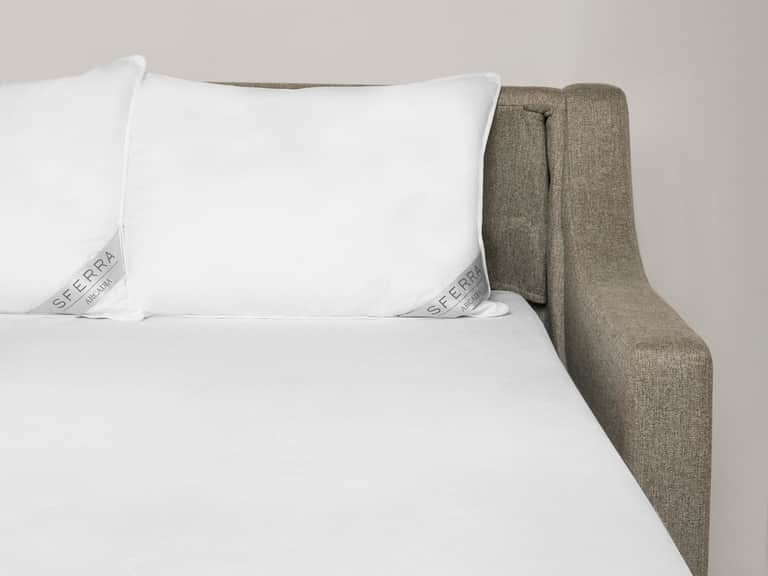
Securely fits American Leather Comfort Sleeper beds with elasticized sides, staying put all night. Soft cotton terry, waterproof finish, and breathable protection guard against spills while preserving comfort. Easy care for everyday durability.
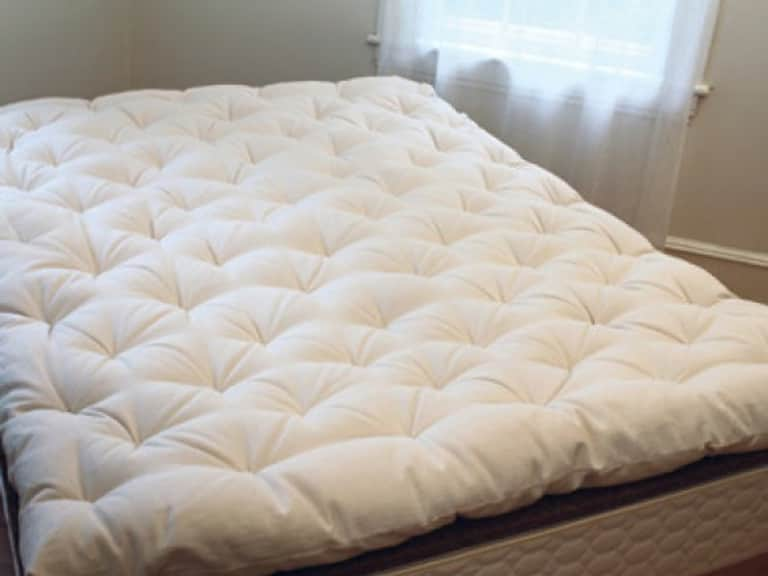
Experience natural, breathable comfort with latex-free support. Wool regulates temperature for a cooler, drier night, while organic cotton feels soft and chemical-free. Handcrafted, versatile, and durable for peaceful sleep and flexible use.
Keep your Casper mattress fresh and comfy with breathable protection that blocks wear but not airflow, so it feels the same—just guarded against everyday use for longer-lasting comfort.