Sleep Insights for Miami
Organic Mattress Materials: What to Compare Before You Shop Locally
An “organic” label can be a useful starting point, but it doesn’t tell the whole story. To compare mattresses with confidence, look closely at the materials, how each layer is built, what certifications cover, how the bed feels, and what care it requires—especially when shopping in Miami’s warm, humid climate.
A practical, product-focused guide to making showroom visits more informative and choosing a sleep surface that fits your comfort preferences and everyday life.
Start with the layers, not the label
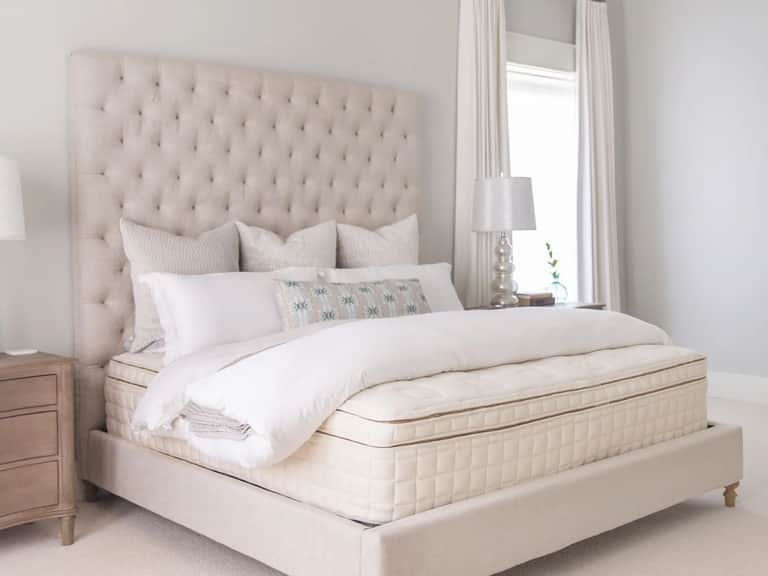
When two mattresses are both described as organic, they may still feel remarkably different. One might use a substantial latex core with a wool-quilted cotton cover; another may combine latex comfort layers with pocketed coils. The materials influence the bed’s resilience, cushioning, airflow, and overall feel, while their arrangement determines how those qualities work together.
That is why a useful comparison begins with a clear question: what is inside the mattress, layer by layer? Ask for a written materials breakdown, including the cover, comfort layers, support core, batting or quilting, and any adhesives or added fibers. If a description simply says “natural,” “eco-friendly,” or “organic,” request more detail. Those terms may describe different things, and none alone explains the full construction.
For Miami-area shoppers, the materials conversation is also an opportunity to consider the room where the mattress will live. Warm nights, air-conditioning, coastal moisture, and individual preferences for a cool or cozy sleep surface all matter. No material can guarantee that someone will sleep cool, but understanding the construction can help you make a more informed choice.
What “organic” does—and does not—tell you
Organic certification can offer a clearer way to evaluate certain materials and production standards. However, a mattress may contain several components, and one certification may apply to one material or stage of production rather than every part of the finished bed. Read the scope of the claim instead of assuming that an “organic mattress” label means every component is certified organic.
Ask which materials are certified and by whom. Certifications such as GOTS for relevant textile or fiber products and GOLS for organic latex are commonly used in the bedding industry. They have different standards and apply to different material categories. A retailer should be able to explain which component is covered and provide documentation or a reliable reference to the certification.
Certification is useful, but it is not a substitute for asking what the mattress contains. A clear answer should identify materials and construction, not rely on a broad promise. If a brand uses the word “organic” without explaining what is certified, treat that as a prompt for follow-up rather than as proof of the mattress’s complete makeup.
- Ask what is certified: Identify the specific fiber, latex, or textile covered.
- Ask who verifies it: Look for a named standard and accessible certification information.
- Ask what is not covered: Find out whether other layers, components, or finishes have separate specifications.
- Distinguish organic from natural: These words are not interchangeable, and “natural” alone does not describe a certification.
Natural latex: resilient, responsive, and worth inspecting
Natural latex is valued by many mattress shoppers for its buoyant, responsive feel. Rather than slowly compressing in quite the same way as some foams, it tends to push back as a sleeper moves, though the exact feel depends on the latex formulation, firmness, thickness, and the layers around it. Some people enjoy that springy quality; others prefer a closer, more enveloping surface.
Ask whether the latex is Dunlop or Talalay, and whether it is certified organic, blended, or made from a different composition. These terms describe distinct manufacturing or material details. They do not automatically tell you which mattress will feel better. The useful comparison is the actual feel of the finished bed, together with the manufacturer’s information about the layer’s composition and firmness.
Layer thickness matters, too. A thinner comfort layer over a firmer base can feel quite different from a deeper, softer latex layer. In a layered mattress, the top section generally contributes more directly to surface cushioning, while deeper layers influence how the body is supported. Ask the showroom representative to explain the purpose of each layer in plain language.
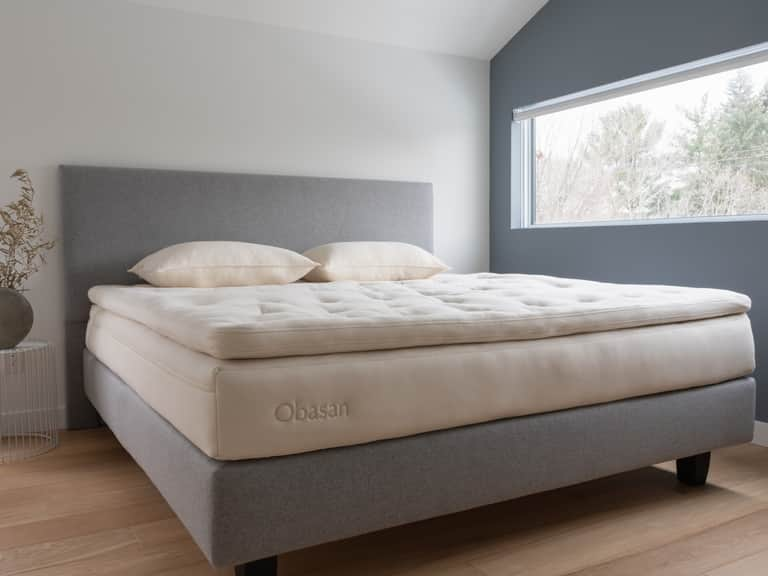
One example of a layered design is the Obasan Classic Dunlop Latex Mattress, which is described as having a firm base, a customizable middle layer, and a softer top layer, with an organic cotton and wool quilted cover. Its specifications illustrate why it is helpful to compare layers individually rather than treating all natural latex mattresses as equivalent. As with any model, confirm current materials, available configurations, and certification details directly before making a purchase.
Cotton and wool: the cover can shape the experience
Cotton and wool often appear in mattress covers, quilting, or batting. Organic cotton may provide a soft textile surface, while wool is sometimes used as a cushioning or quilting material. Their placement and quantity matter: a thin layer in a cover is not the same thing as a substantial comfort layer. Ask how much of each material is present and where it sits in the mattress.
Wool is often included in bedding for its moisture-management and temperature-regulating characteristics. That does not mean it will make every mattress feel cool in every bedroom. The complete sleep environment—including room temperature, bedding, airflow, humidity, and personal comfort—contributes to the result. In Miami, where indoor conditions can vary with air-conditioning and seasonal humidity, consider how the mattress will feel with the sheets and protector you plan to use.
Pay attention to the cover’s care instructions. A mattress cover may be removable but not washable, or it may require spot cleaning only. Wool and cotton components can have specific handling requirements. Before buying, ask what happens if there is a spill, whether the cover can be removed, and which cleaning methods could affect the warranty.
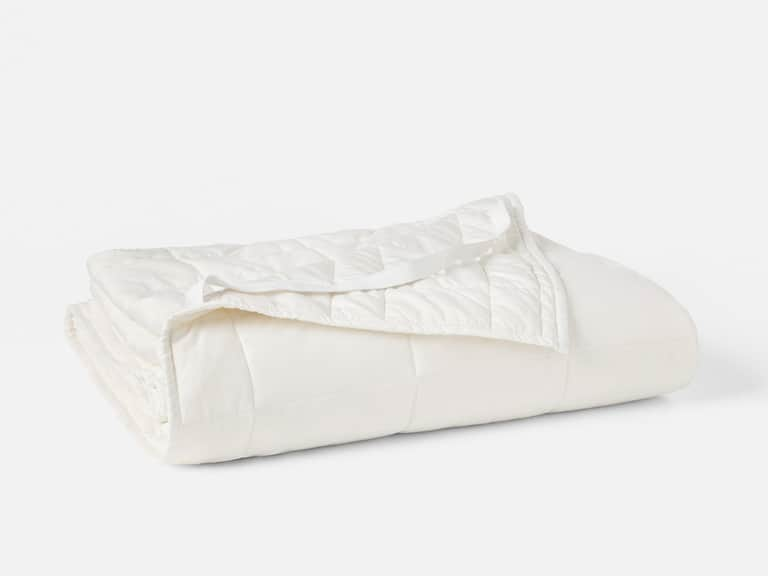
A washable wool topper is a separate bedding layer rather than a substitute for understanding the mattress itself. For instance, the Washable Wool Filled Mattress Topper is described as using a blend of traceable wool and plant-based batting in an organic cotton sateen shell, with corner straps and cold, gentle machine-wash care. A topper may alter the surface feel and add a layer of cushioning, so if you test a mattress in a showroom, ask whether the displayed bed includes an added topper or pad.
Compare support systems, not just comfort layers
A mattress can use latex throughout, or pair latex with a coil support system. These designs can differ in bounce, edge feel, motion transfer, and the way pressure is distributed. A hybrid construction may appeal to shoppers looking for a combination of cushioning and a coil-based support core, while an all-latex design offers a different kind of responsiveness. Neither category is automatically right for every sleeper.
Ask how the support core is constructed and what the manufacturer means by “support.” Look for practical details: the type and thickness of the core, whether the layers can be changed, whether the mattress is zoned, and whether each side of a larger bed can be configured differently. If two people have different comfort preferences, side-to-side customization may be worth investigating, but the exchange terms and availability should be confirmed before ordering.
Do not overlook the foundation. A mattress needs a compatible base to perform as intended and remain supported. Ask about slat spacing, center support, adjustable-base compatibility, and any restrictions in the warranty. A mattress that feels comfortable on a showroom platform might behave differently on a different frame or foundation at home.
Firmness is personal—and position is only a starting point
Firmness descriptions are not universal measurements. One company’s “medium” can feel unlike another’s, and body shape, weight distribution, mobility, and preferred sleeping posture all influence how a bed feels. Use labels as rough guides, not as promises.
When you test a mattress, lie down in your usual position and give your body time to settle. Notice whether the surface feels comfortable at the shoulders and hips, whether you feel supported through the middle of your body, and whether changing position feels easy. If you share a bed, test it together when possible. Pay attention to motion when one person turns, and see whether each sleeper can find a comfortable position without compromising the other’s needs.
Side sleepers often pay close attention to pressure at the shoulder and hip; back and stomach sleepers may focus more on a supportive, stable feel. These are useful observations, not rules that dictate one firmness for everyone. A person’s comfort can’t be determined by sleep position alone, and persistent pain or sleep problems may merit advice from an appropriate health professional rather than a mattress change alone.
- Test for several minutes in more than one sleeping position.
- Notice pressure, ease of movement, and whether the surface feels too soft or too firm.
- Ask whether the floor model includes a topper or other accessory.
- Read trial, exchange, return, and delivery conditions before purchasing.
A Miami-specific look at heat and humidity
Local climate should influence the questions you ask, but it should not replace testing the mattress. Miami homes may rely heavily on air-conditioning, and bedroom conditions can differ considerably from one household to another. A mattress that feels comfortable in a cool showroom may feel different in a warm room, under a thick comforter, or with a waterproof protector.
Ask how the mattress is constructed to allow airflow and what role the cover, quilting, and comfort layers play. Then consider the rest of the bed: breathable sheets, a suitable mattress protector, and a comfortable room temperature can all affect how the sleep surface feels. A waterproof layer may be useful for protection, but its material and construction can change the surface sensation. If you already own a protector, bring its specifications or ask whether the showroom can demonstrate the mattress with a similar layer.
Humidity management is also a matter of ordinary room care. Keep the mattress on a compatible, ventilated foundation rather than assuming a mattress placed directly on the floor will have adequate airflow. Follow the maker’s instructions for rotating, airing, or cleaning the bed. Avoid exposing the mattress to moisture or direct heat unless the care guidance specifically permits it. If the bedroom has persistent dampness or condensation, address the room environment rather than expecting bedding materials to solve the underlying problem.
Claims such as “cooling,” “breathable,” or “moisture-wicking” can be helpful only when the seller explains what they mean in that particular design. Ask which material or construction feature supports the claim, and keep expectations realistic: individual comfort depends on the sleeper and the room as well as the mattress.
Care requirements are part of the buying decision
Natural and organic materials still need appropriate care. A mattress may not be washable, even if its cover looks removable. Some models call for spot cleaning, seasonal airing, or occasional rotation; others include layered components that can be rearranged according to the maker’s instructions. Read the care guide before buying, not after a stain or spill.
Ask whether the mattress should be rotated, flipped, or kept in one orientation. Confirm whether the outer cover is washable and whether the internal layers can be removed without affecting the warranty. Find out what kind of foundation is required and whether a mattress protector is recommended. Keep receipts, care instructions, and warranty details together so the requirements are easy to check later.
In a humid region, avoid treating routine airing as a cure-all. Follow the product’s instructions and keep the room adequately ventilated. If a mattress becomes wet, contact the manufacturer for guidance rather than applying strong cleaners, bleach, or heat that could damage the materials.
Also check practical details that can be easy to miss: mattress depth, sheet-pocket fit, weight, setup requirements, delivery access, and whether the mattress arrives in multiple pieces or requires assembly. These considerations can matter just as much as the listed materials once the bed reaches your home.
How to make a local showroom visit count
Shopping locally offers a useful advantage: you can lie on a mattress, ask questions in real time, and compare materials side by side. A little preparation can make that visit less overwhelming. Before you go, note your current mattress size, the foundation you use, your preferred firmness, and the issues you hope to address. If you sleep with a partner, compare notes about what each of you likes and dislikes.
Ask the salesperson to show you the construction information rather than relying on a short display card. Take notes on brand, model, layer order, material composition, firmness options, certifications, warranty, and care. If a particular certification matters to you, ask for documentation and verify what the certificate covers. If a claim is unclear, write it down and check it before purchase.
Local availability changes, and a showroom may display a model that differs slightly from the version available to order. Confirm the precise configuration, size, delivery timeline, setup cost, trial period, and exchange policy in writing. That is especially important if you are comparing prices across stores or considering a customizable mattress.
Rather than asking only, “Which one is best?” try questions that reveal how a mattress fits your needs:
- What are the exact materials in the cover, comfort layers, and support core?
- Which components are certified organic, and what does each certification cover?
- How does the firmness option I am testing compare with the one I can order?
- Can layers be changed later, and what are the costs and deadlines?
- What foundation does the manufacturer require?
- How should I protect and clean the mattress, and what care could affect the warranty?
- What are the delivery, setup, trial, exchange, and return terms?
Build a straightforward comparison sheet
When you are evaluating several organic mattress options, a simple comparison sheet helps prevent a polished showroom presentation from overshadowing the details. Record each model’s materials and construction, then add the information that matters most to you. Avoid turning the process into a contest over the longest list of natural-sounding ingredients; a shorter, transparent specification can be more useful than an impressive but vague claim.
Materials and construction
- Cover fabric and quilting materials
- Latex type, composition, and layer thickness
- Wool, cotton, coils, or other components
- Which layers are replaceable or customizable
Fit and everyday use
- Comfort and support during an in-person test
- Compatibility with your foundation and bed frame
- Care instructions and protector requirements
- Delivery, trial, exchange, and warranty terms
A balanced way to choose
The right organic mattress is not necessarily the one with the most layers, the highest price, or the broadest environmental language. It is the one whose verified materials, construction, feel, care needs, and support fit your household. Certification can help establish what certain components are made from, while a showroom test can tell you more about immediate comfort. Neither step replaces the other.
For Miami shoppers, climate-aware decisions should be practical rather than absolute. Consider the bedroom’s temperature and humidity, the bedding you use, and the airflow beneath the mattress. Ask how the cover and layers may influence comfort, but remember that no single textile or filling can guarantee a particular sleep temperature.
Take your time, compare like with like, and get important promises in writing. When a seller can explain a mattress’s layers, certifications, support system, and care requirements clearly, you have a much stronger basis for deciding whether it belongs in your bedroom.
Quick checklist before you buy
- I know which mattress components are certified and what each certification covers.
- I understand the difference between the comfort layers and the support core.
- I have tested the firmness and surface feel in my usual sleeping positions.
- I have checked the foundation requirements and mattress dimensions.
- I know how to clean and care for the mattress, cover, and any included topper.
- I have reviewed the trial, exchange, return, delivery, and warranty policies.
- I have considered how my sheets, protector, room temperature, and humidity may affect comfort.
Frequently asked questions
Does “organic mattress” mean every part is organic?
Not necessarily. Certification may apply to particular materials or stages of production. Ask which components are covered and request supporting information for the claims that matter to you.
Is natural latex the same as organic latex?
No. “Natural” describes a material claim, while “organic” refers to specific standards and certification. Confirm the composition and ask whether the latex is certified organic, blended, or otherwise described by the manufacturer.
Will an organic mattress automatically sleep cooler in Miami?
No mattress can guarantee that. Materials and construction can influence airflow and moisture handling, but room temperature, humidity, bedding, and personal comfort also matter. Test the mattress with realistic expectations and ask how the full bed setup may affect its feel.
What should I prioritize when comparing mattresses locally?
Start with transparent materials and construction, then evaluate comfort, support, foundation compatibility, care requirements, certifications, and purchase terms. A showroom test is valuable, but the exact model and configuration should match what you will receive at home.